If you have a kid with ADHD and you have ever tried to sit down for a phonics lesson, you probably already know how that goes. Squirming. Staring at the ceiling. Suddenly needing a glass of water.
My son has ADHD and mild dyslexia. For a long time I thought the problem was that he just was not trying hard enough. It took me a while to understand that his brain was wired to need more engagement, movement, and variety than a standard worksheet could offer.
What the Research Actually Says
Before we get into the strategies, here is the part nobody tells parents at the IEP meeting. Recent research has found that roughly 30 percent of kids with ADHD show meaningful delays in reading proficiency, and about 40 percent struggle with phonological processing, the exact skill explicit phonics is built to teach. So if your kid is finding phonics harder than the kid next door, it is not your imagination, and it is not because you are doing something wrong.
The hopeful part. A randomized clinical trial of children with ADHD and word reading difficulties found that explicit, structured reading instruction worked just as well for ADHD readers as for their peers, regardless of whether the child was taking medication. Phonics works for ADHD kids. You just have to deliver it in a way an ADHD brain can stay inside of long enough to learn.
Keep Sessions Short
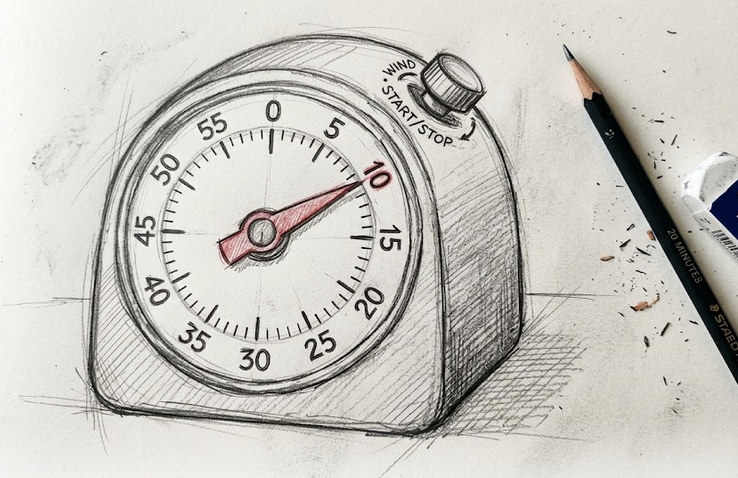
Seriously, 10 minutes is enough. Fighting through a 30-minute session with a kid who has already checked out is not teaching phonics. It is just burning both of you out. We aim for 10 focused minutes. You will get more done in 8 focused minutes than in 25 miserable ones. Plus, if you are doing this as a supplement to what they’re already doing in school, keep that in mind. You can’t get them caught up overnight. Repetition is what matters. Start with the basics and hammer them. Moving quickly because they seem to get a concept does you no favors.
Make It Hands-On
Worksheets are the enemy for kids with ADHD. We swapped most paper practice for hands-on materials. Letter tiles let your kid physically move sounds around. Dry erase pockets mean you can reuse any sheet. The more their hands are involved, the longer their brain stays engaged. Play-doh is pretty consistently a hit and I picked up some small packages of floam (remember that stuff, 80s babies?) at Target and it’s been heavy in the rotation.
Use a Game Format Whenever Possible
My son will practice the same phonics skill for 20 minutes without complaint if it is wrapped in a game. He will refuse to do five minutes of the same practice on a worksheet. That is not a character flaw. Games create stakes, movement, and novelty. All of those things are rocket fuel for an ADHD brain.
Build In Movement
Let them stand. Let them jump when they get an answer right. Some of our best phonics sessions have happened when I taped word cards to the floor and had him hop to the right ones. Another thing that worked with letters and sounds was having him “race” to find an item that began with the target letter. Each time he tried to beat his score.
Build in wiggle breaks. Keep them to 15 seconds. Stomp like an elephant, hop like a kangaroo, leap like a frog…you get the picture.

Why Movement and Manipulatives Matter (It Is Not Just Mood)
The hands-on, get-up-and-move strategies above are not just nice to have. They map onto how an ADHD brain holds information. A 2023 study in Frontiers in Psychiatry found that pairing visual material with a second sensory channel like sound or touch reduced the working memory pull that takes ADHD kids off task, and improved their cognitive control during a memory task. The International Dyslexia Association makes the same point about structured literacy. Multisensory practice is not a gimmick. It builds the neural connections between sound, symbol, and meaning that decoding actually depends on.
Be Consistent But Flexible
Routine helps kids with ADHD know what to expect, but it has to be gentle, not rigid. If it is clearly a bad brain day, scale back or skip. One skipped session is not going to undo your progress. Powering through a meltdown will set you back more than a day off ever could.
Where to Go When Phonics Alone Is Not Working
If you have been doing the short, hands-on, game-based work for a few weeks and your child is still stuck on the same sounds, that is information, not failure. It is worth stepping back. The Reading Profile Builder walks you through which reading skills your child has and where the gaps are. Building a reading plan for an ADHD child lays out a structured weekly plan you can run at home. And if your gut says something deeper is going on, Assessments 101 covers what an evaluation looks like and which tests answer which questions.
You are not failing if phonics practice is hard. Teaching a kid with ADHD to read requires creativity, patience, and a lot of trial and error. The fact that you are researching and trying things means you are doing it right.
About Decoding Mom
Decoding Mom is written by a mom of a bright kid with ADHD and mild dyslexia. After too many late-night research binges trying to make phonics fun, she started this site to translate the science of reading, IEPs, and special-ed assessments for parents figuring it out the hard way. Honest, parent-first, no fluff. More about her here →
Leave a Reply