Tag: dyslexia
-

WIAT-4 Explainer
A Parent Field Guide WIAT-4: What parents actually need to know. Wechsler Individual Achievement Test, Fourth Edition The WIAT-4 is the achievement test you will see paired with a cognitive test like the WISC-V in most full evaluations. It measures what your child has actually learned in reading, writing, math, and language. This guide walks…
-

Why Timed Reading Tests Aren’t the Enemy, and What They Actually Tell Us About Your Child
Reading Rockets describes fluency as the ability to read text accurately and quickly with appropriate expression. The key word is “quickly,” not in a competitive sense, but in the sense that a truly fluent reader does not have to devote much conscious attention to individual words. The reading feels smooth because the decoding is happening…
-
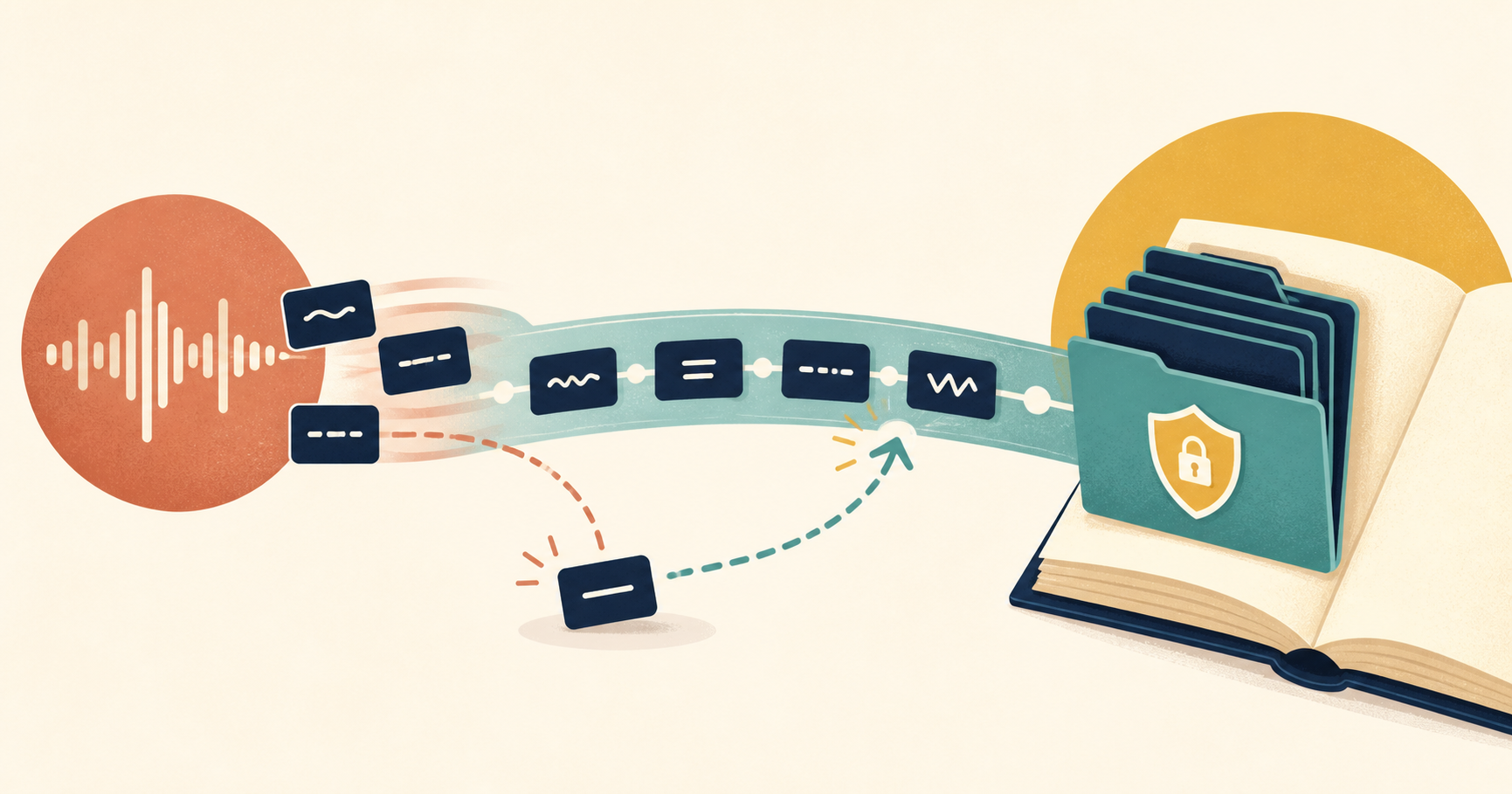
Why Dyslexic Readers Stumble Over Simple Words Like ‘the,’ ‘of,’ and ‘by’
You’ve watched your child read “caterpillar” out loud without skipping a beat. You felt that little swell of pride. Then two words later: “of.” A pause. A substitution. They say “or” instead, or just barrel past it and hope you didn’t notice. How does that happen? How can a kid decode a six-syllable word and…
-
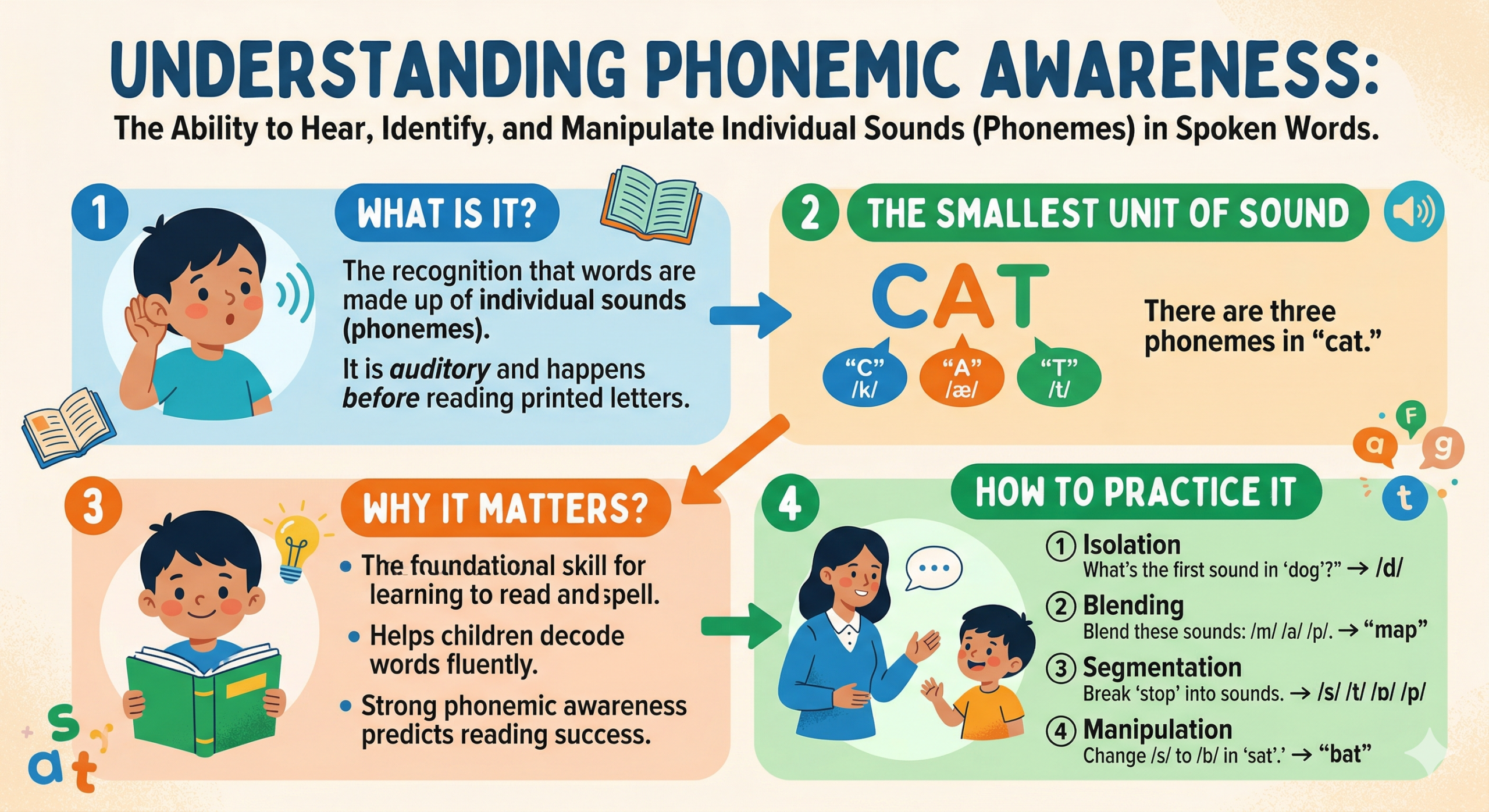
Not All Reading Mistakes Are the Same. Here’s What to Look For
Reading errors are not just mistakes. They’re information. The specific shape of an error, not just that an error happened, tells you something meaningful about what’s happening inside your child’s reading system. And once you know how to look at errors differently, you become a much better advocate for your child.
-
5 Signs Your Smart Kid Might Have Dyslexia
Dyslexia doesn’t always look like letter reversals. Smart kids can mask it for years. Here are 5 signs that your bright child might be struggling with dyslexia.
-
How to Make Phonics Practice Work When Your Kid Has ADHD
Phonics practice with an ADHD kid doesn’t have to be a battle. These simple strategies use movement, games, and short sessions to make phonics stick.