Category: Reading Science
-
IEP Reading Goals: Measurable Examples for Dyslexia and Struggling Readers
A strong IEP reading goal names the exact skill, starting point, materials or conditions, target performance, measurement method, and deadline. “Will improve reading” is not measurable. “Given a controlled word list containing taught one- and two-syllable patterns, the student will read 45 of 50 words accurately across three consecutive weekly probes by the annual review…
-
What Tests Diagnose Dyslexia? A Parent’s Guide to a Complete Evaluation
No single test diagnoses dyslexia. A good evaluation looks for a consistent pattern across word reading, decoding, spelling, reading fluency, phonological processing, language, educational history, and response to instruction. The specific test names can vary; what matters is whether the evaluator measured the right skills and explained how the evidence fits together. If someone tells…
-
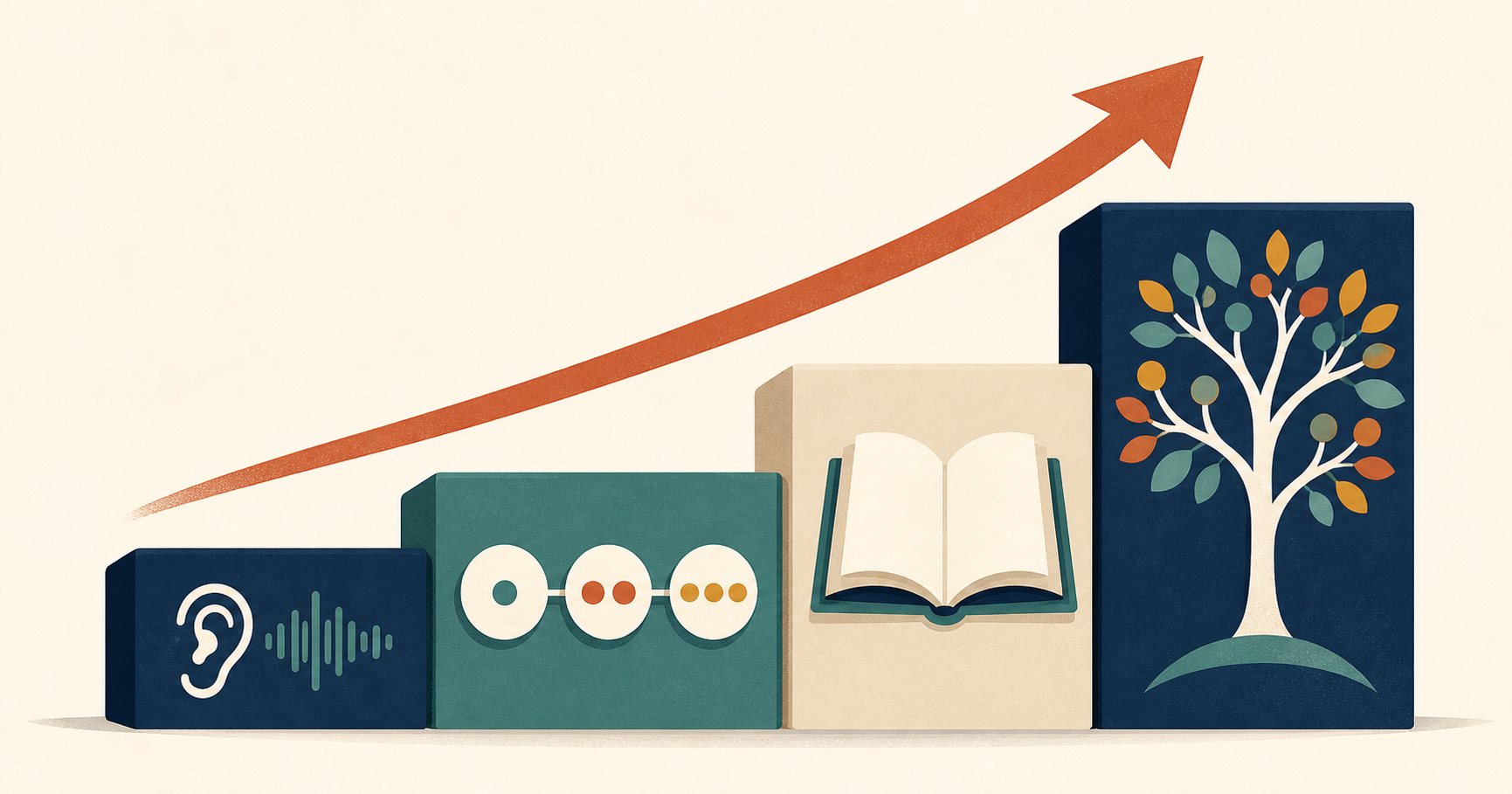
What Is Structured Literacy? A Parent-Friendly Guide
Structured literacy is a teaching approach with five specific characteristics, not a single program. Here’s what it actually means, what it isn’t, and how to tell if your kid is getting it.
-
Why Timed Reading Tests Aren’t the Enemy, and What They Actually Tell Us About Your Child
Reading Rockets describes fluency as the ability to read text accurately and quickly with appropriate expression. The key word is “quickly,” not in a competitive sense, but in the sense that a truly fluent reader does not have to devote much conscious attention to individual words. The reading feels smooth because the decoding is happening…
-

Why Your Struggling Reader Isn’t “Catching Up” (and What the Data Actually Says)
You’re sitting in the classroom or at the kitchen table, watching your second grader stumble through a sentence that’s supposed to be “easy.” You ask the teacher if you should be worried. She smiles and says those words you’ve heard before: “He’ll catch up. Boys are just slower readers.” Maybe you hear it from your…
-

Writing Is the Reading Skill Nobody’s Talking About
A landmark meta-analysis from Graham and Hebert (2011) showed something that should have changed every reading curriculum in America but mostly didn’t: writing about what you read significantly improves comprehension. Not a little. Significantly.
-
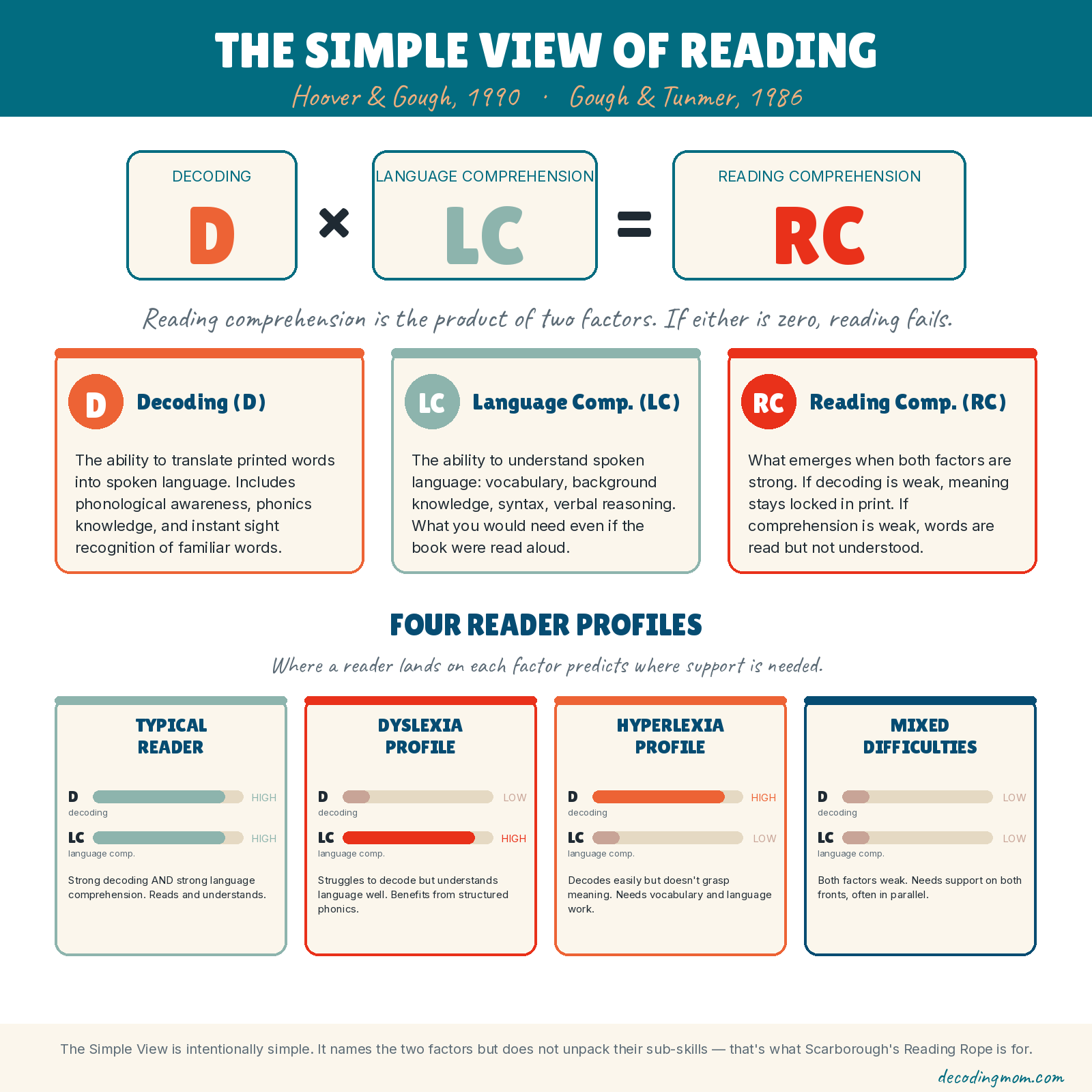
Phonics Fixed Everything… Right? Why Reading Is Bigger Than Decoding
Over the past five years, we’ve heard a lot about the “science of reading” and phonics. It’s been the big fix, the magic bullet, the thing that was going to transform struggling readers everywhere. And phonics absolutely matters. But here’s what nobody told you: phonics is necessary but it’s not sufficient.
-
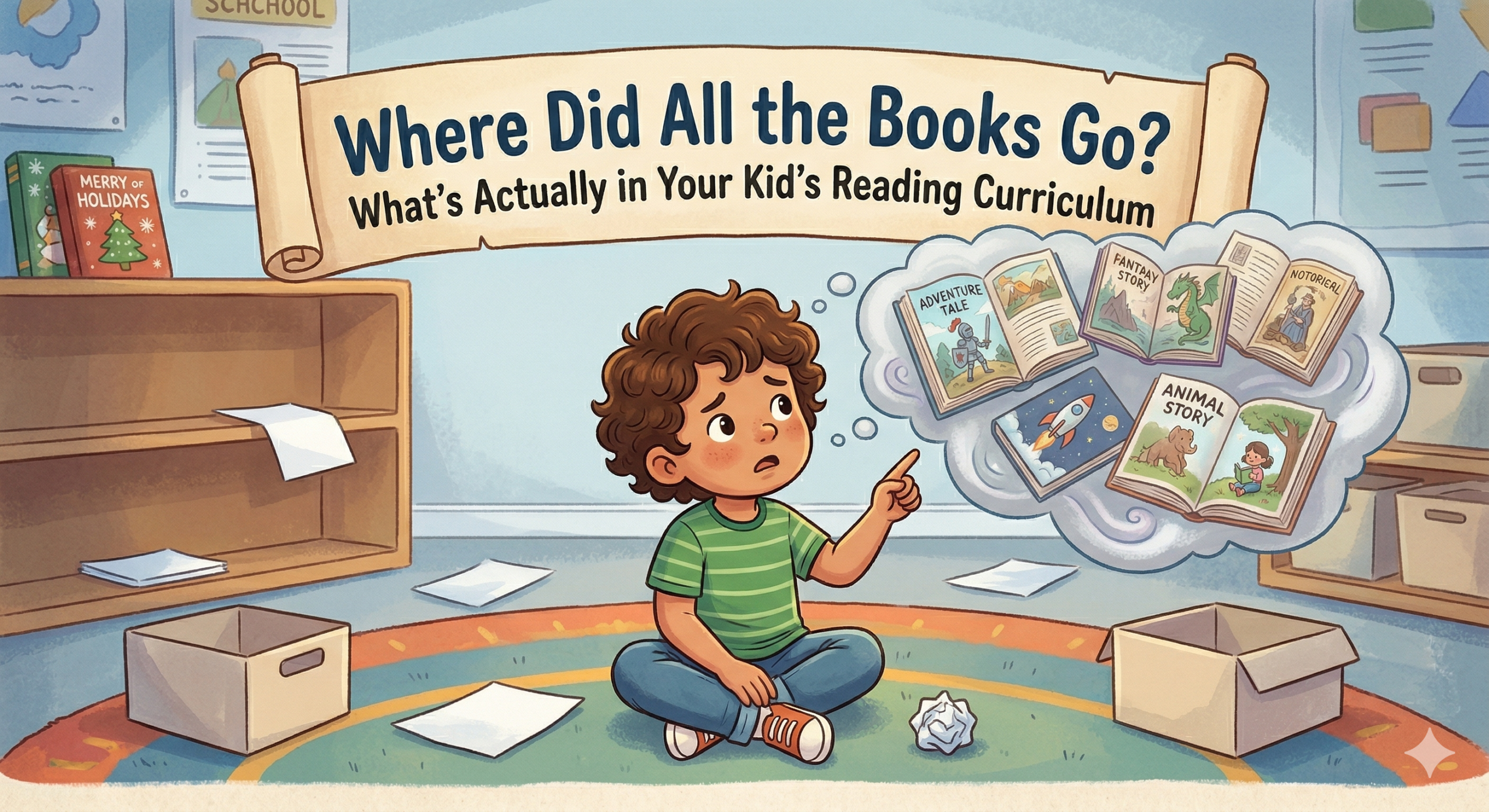
Where Did All the Books Go? What’s Actually in Your Kid’s Reading Curriculum
Remember when reading class meant reading a book? Not a two-page excerpt with a worksheet stapled to it. Not a passage pulled from some basal reader anthology. A book. A whole book. Something with a spine and pages you could turn and a story that unfolded over time. If you’re feeling nostalgic about that right…
-
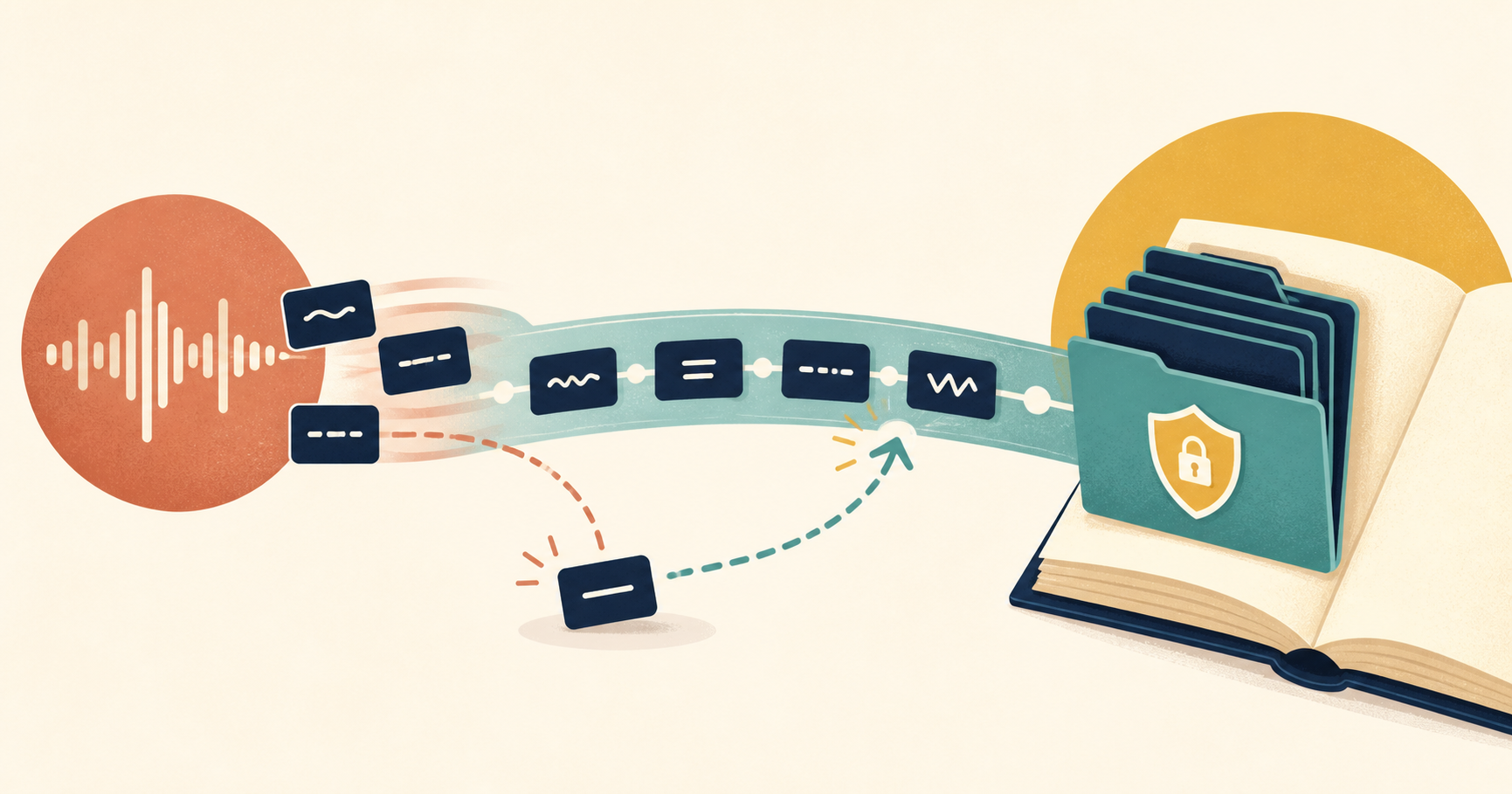
Why Dyslexic Readers Stumble Over Simple Words Like ‘the,’ ‘of,’ and ‘by’
You’ve watched your child read “caterpillar” out loud without skipping a beat. You felt that little swell of pride. Then two words later: “of.” A pause. A substitution. They say “or” instead, or just barrel past it and hope you didn’t notice. How does that happen? How can a kid decode a six-syllable word and…
-
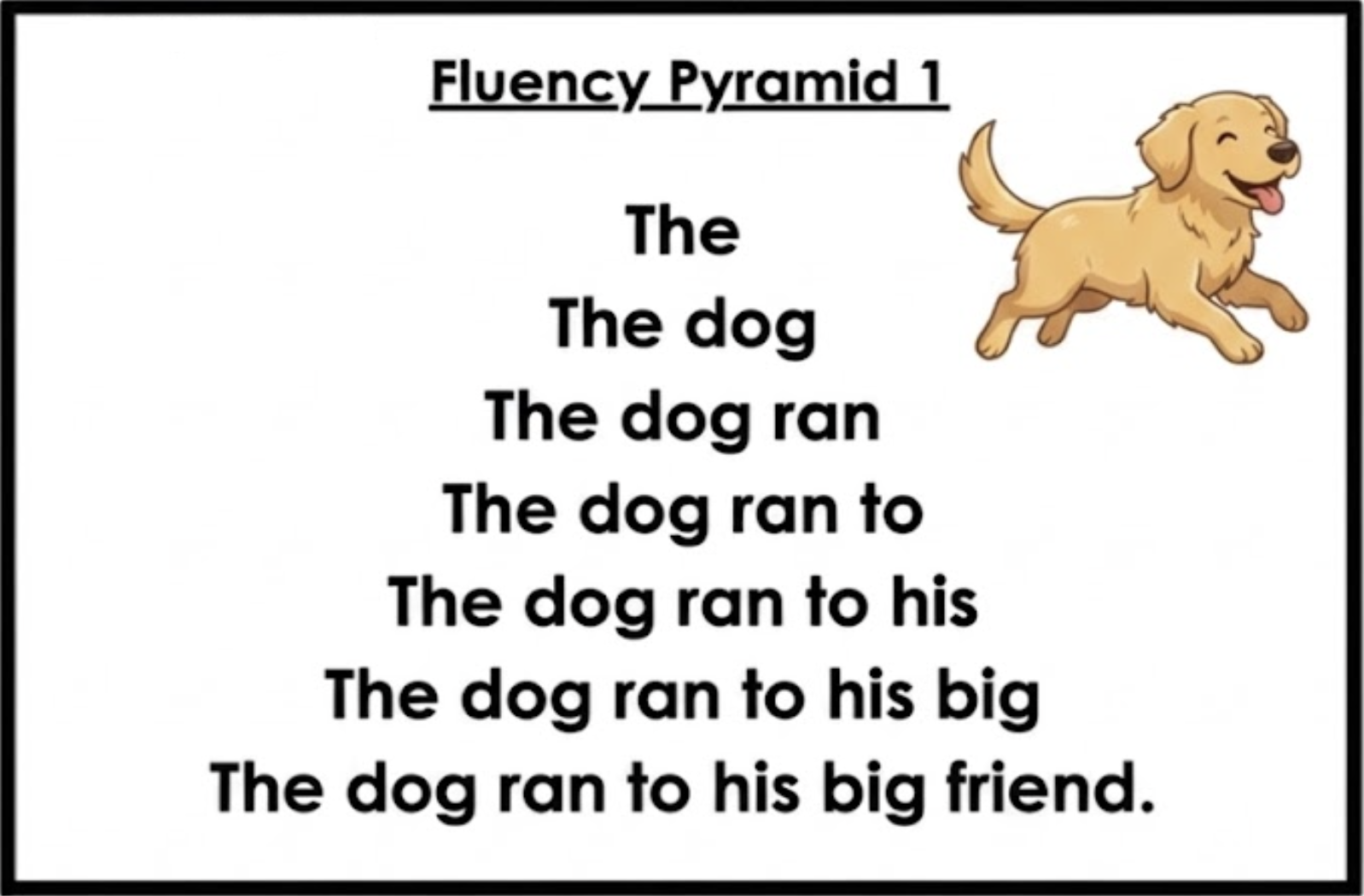
The Reading Strategy You’ve Never Heard Of (But Should Absolutely Be Using)
If you’ve watched your child decode a word perfectly during flashcard-style practice and then completely fall apart when that same word shows up in a sentence, you are not imagining things. And you’ve probably been told the same thing over and over: just have them read more. More books. More time. More practice. Here’s the…